By Peachtree Roofing & Exteriors
Serving Texas homeowners with full‑scope restoration solutions
The Real Problem Texas Homeowners Face After a Roof Claim
In North Texas, roofing claims are common, but unfinished repairs are even more common.
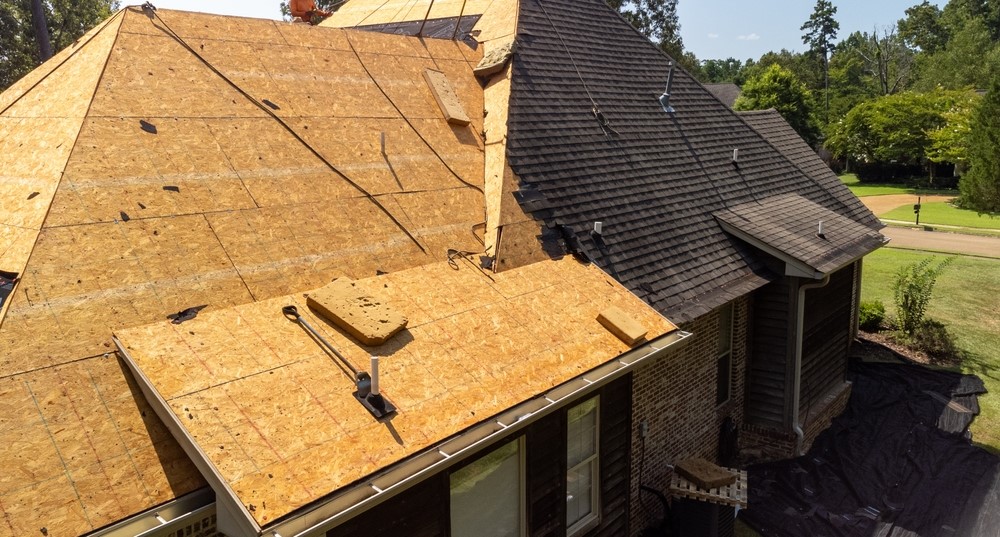
Homeowners often assume that once the roof is replaced, the project is complete. In reality, roofing is only one piece of a much larger restoration puzzle. Gutters, siding, fencing, window screens, paint, and code upgrades are frequently included in insurance scopes yet routinely ignored by roof‑only contractors.
This is not just inconvenient. It is financially dangerous.
What Texas Roofing Laws Actually Allow (and What They Don’t)
Texas has very limited licensing requirements for roofing contractors. Unlike electricians or plumbers, roofers are not required to hold a state‑issued occupational license.
What this means for homeowners:
Almost anyone can legally call themselves a roofer
There is no state‑level enforcement of workmanship standards
Contractors can legally perform only the roof portion of an insurance claim
There is no obligation to complete non‑roof items in the scope
In other words, Texas law allows roof‑only contractors to take the roof money and walk away.
The Insurance Gap Roof‑Only Contractors Create
Insurance companies write scopes that often include:
Roof replacement
Gutters and downspouts
Fence staining or replacement
Siding and trim repair
Window screens and glazing
Exterior paint blends
Code upgrades required by the municipality
A roof‑only contractor typically:
Collects the roof funds
Avoids trades they don’t perform
Leaves the homeowner to chase remaining repairs
Pushes responsibility back to the insurance carrier
At that point, the money is gone, and the liability is yours.
Why “Roof‑Only” Is a Red Flag, Not a Cost Saver
Roof‑only contractors often market themselves as:
Faster
Cheaper
“Specialists”
But here’s the truth:
They are structurally incentivized to ignore the full claim
They profit from partial completion
They create scope gaps that insurance will not cover
They increase out‑of‑pocket costs for homeowners
What looks like savings upfront often becomes thousands of dollars in unfinished repairs.
How Full‑Service Restoration Protects Texas Homeowners
At Peachtree Roofing & Exteriors, and our restoration partners like TC Roofing & Restorations, we operate differently.
We are restoration‑first, not roof‑only.
That means:
We review the entire insurance scope
We coordinate all required trades
We ensure code compliance across disciplines
We close out claims completely
We leave no loose ends for the homeowner
Our job isn’t just to install shingles.
Our job is to restore your property to pre‑loss condition, fully and correctly.
What Texas Homeowners Should Ask Before Signing a Contract
Before hiring any contractor after a storm, ask these questions:
Do you complete the full insurance scope or only the roof?
Who handles gutters, fencing, siding, and paint?
What happens if insurance supplements are required?
Are you coordinating all trades, or am I?
Will I be left with unpaid or unfinished items?
If the answers are vague, defensive, or unclear, that’s your warning.
The Bottom Line
Texas roofing laws do not protect homeowners from incomplete restoration. You must protect yourself through who you hire.
A roof‑only contractor can legally take the roof money and leave you with the rest.
A full‑service restoration contractor ensures:
No scope gaps
No surprise expenses
No unfinished repairs
No finger‑pointing between trades and insurance
That difference is not marketing.
It’s the difference between a finished home and an expensive mess.
Ready to Avoid the Cleanup?
If you want a contractor who handles the entire claim, not just the roof, talk to Peachtree Roofing & Exteriors or our trusted restoration partners at TC Roofing & Restorations.
Because fixing half the problem is how homeowners lose thousands.
Subscribe to Peachtree Roofing & Exteriors's Blog